
Adding a second freezer is one of the best upgrades for families who buy in bulk, batch cook, garden, or hunt. The first decision is the shape: a chest freezer that opens from the top, or an upright freezer that opens like a refrigerator. Each has real advantages.
Food-safety notes on uFreeze follow published USDA and FDA consumer guidance. When in doubt about a food’s safety, throw it out, and follow your appliance manual.
Chest freezers
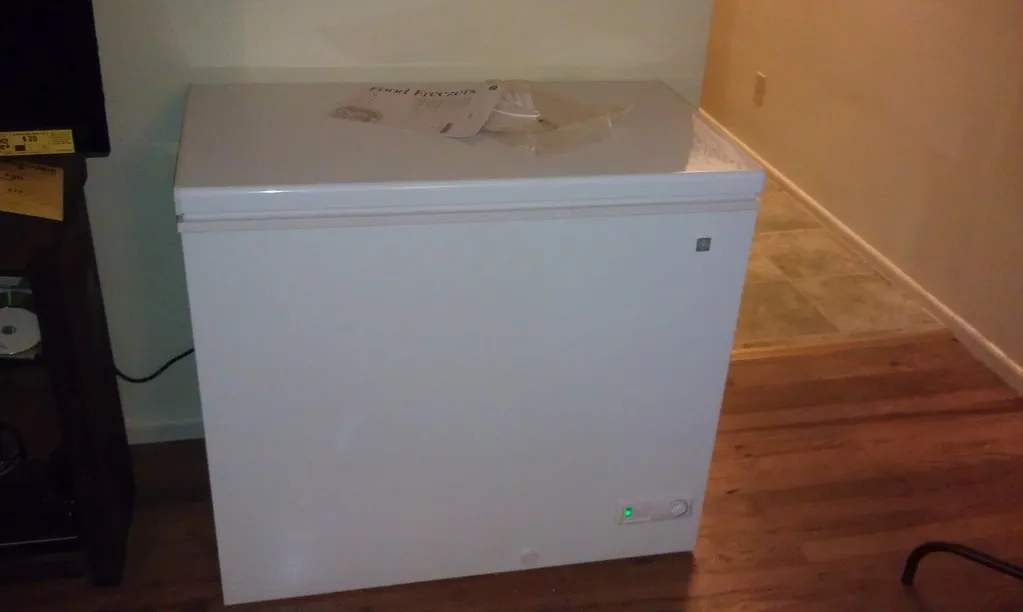
A chest freezer is a box with a lid on top. Food sits in a deep well, often with a hanging basket or two.
Strengths: - More usable space for the size. There are no shelves or door bins taking up room, and you can pack items tightly. - Efficiency. Cold air sinks, so less escapes when you open the lid. Chest freezers often use less energy than uprights of similar capacity. - Better in outages. The thick walls and top-opening lid help them hold temperature longer. - Lower price for the same capacity, in many cases.
Weaknesses: - Harder to organize. Food at the bottom gets buried and forgotten. - More floor space. They take a wide footprint. - Bending and lifting. Reaching the bottom can be hard on your back. - Manual defrost on most models.
Upright freezers
An upright freezer looks like a refrigerator, with shelves and door bins.
Strengths: - Easy to organize. You can see and reach everything at eye level. - Small footprint. They use vertical space instead of floor space. - Frost-free options. Many uprights defrost automatically.
Weaknesses: - Less efficient. Cold air spills out when you open the door. - Less usable space. Shelves and bins take room. - Frost-free cycles can slightly reduce food quality over long periods and use more energy. - Higher price for the same capacity, in many cases.
Which shape fits your life?
Choose a chest freezer if: - You store large items like roasts, turkeys, or bulk packs. - You want the lowest running cost and best outage performance. - You have floor space in a garage, basement, or utility room. - You are willing to use baskets and a simple inventory system.
Choose an upright if: - You need to find things quickly and access them often. - Floor space is tight. - Bending into a chest is difficult. - You want frost-free convenience.
What size do you need?
A common rule of thumb is about 1.5 cubic feet of freezer space per person in your household, with more if you buy meat in bulk or preserve garden harvests. Small chest freezers start around 3 to 5 cubic feet. Seven cubic feet suits many families as a second freezer. Larger units hold a side of beef.
Location matters
Check the maker’s ambient temperature range. Many freezers are not designed for unheated garages, where cold weather can confuse their thermostat. “Garage-ready” models are built for wider temperature swings. See garage freezers.
Keep it at 0°F
The USDA says food kept at 0°F (-18°C) stays safe indefinitely, though quality declines over time. A simple freezer thermometer lets you confirm your freezer holds that temperature.
Organization tips
Chest freezers become useful with a system. Use baskets, color-coded bins, or reusable bags by category, and keep a simple list on the lid. See how to organize a chest freezer.
Energy and noise
Look for the ENERGY STAR label and compare yearly energy estimates on the EnergyGuide label. Place freezers away from heat sources like furnaces and direct sun. Leave space around the unit for airflow.
The bottom line
For most families who want maximum storage at low cost, a chest freezer is hard to beat. If you value convenience and floor space more, an upright may be worth the extra cost. Either way, label, date, and rotate your food so nothing gets lost.